
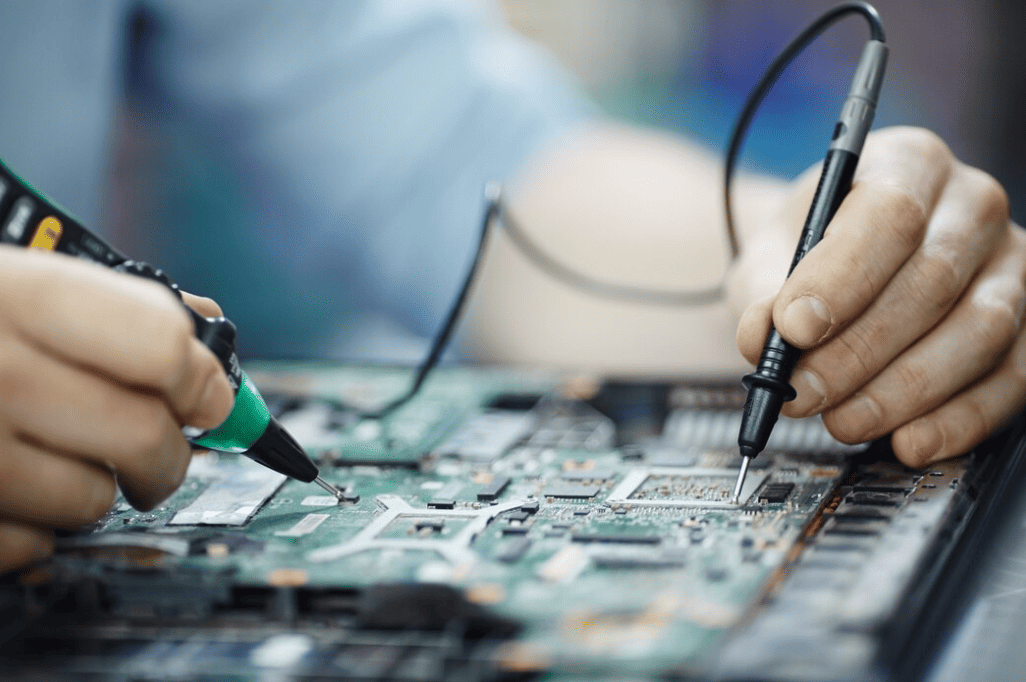
ECU maintenance mainly comes down to ordinary care of what surrounds the unit: the battery and charging system, leaks, cooling and regular servicing. That care lowers the risk of failure but cannot remove it, because some wear happens inside the casing, which an owner cannot service away.
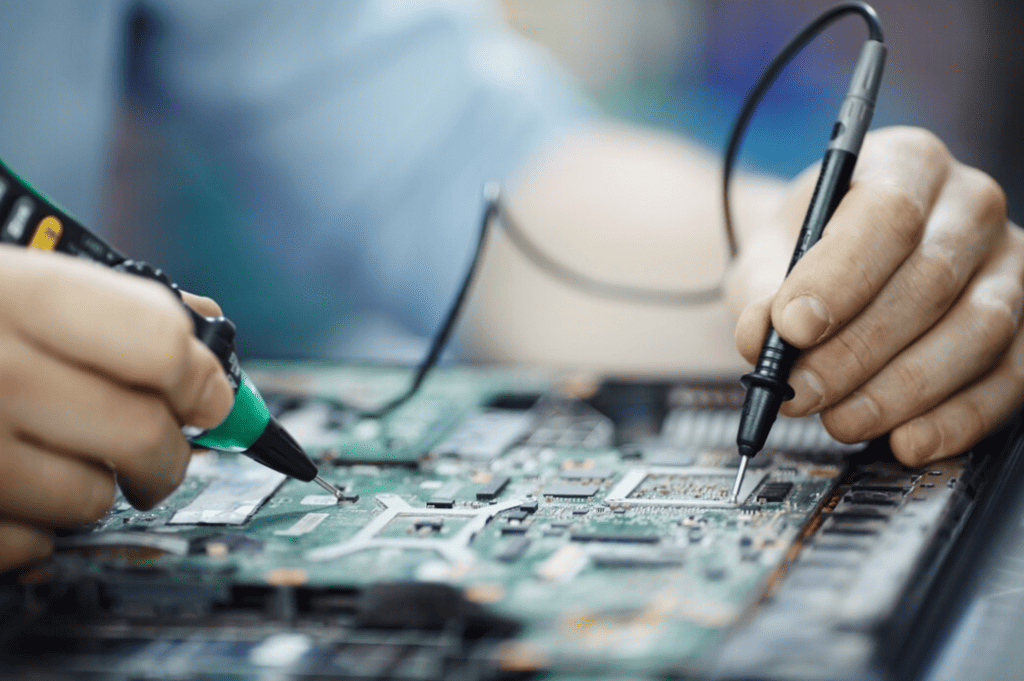
So this guide treats the casing as the dividing line. Outside it lie the checks any owner or garage can make. Inside it are the things care cannot stop, and repair starts there. Everything here concerns the engine ECU, the one unit we repair, and our ECU basics guide explains the unit itself.
How to look after your ECU: the checks outside the casing
None of these checks involves opening the unit.
Water: drains, seals and damp carpets
Water is a commonly reported cause of ECU failure, because it can corrode or short the board. It can get there through blocked drains and failed seals around where the unit is mounted, with leaves among the things that block them.
Where those drains and seals sit varies by car, so the useful check is to find them on yours, clear the drains and look over the seals. Damp carpets usually mean water is getting in somewhere, and a leak is worth fixing as soon as you find it.
Voltage: battery, alternator and jump-starts
A failing battery or alternator can expose the ECU to voltage spikes. Keep both healthy, and act on a charging warning promptly.
An incorrect jump-start can also damage the ECU, with reversed leads the main mistake and one that can destroy electronics; done correctly, the risk is small.
Heat: airflow and the cooling system
Where the unit is mounted affects the heat it takes, and units on or near the engine run hotter. What care can do is keep debris from blocking the airflow around the unit and keep the cooling system in good order.
Earths and connectors
Earth connections and connectors matter too, so check them for corrosion. Even slight corrosion on a connector can look like a failed sensor, which makes it worth ruling out early in any diagnosis.
Servicing, warning lights and welding
Servicing and diagnostics can catch problems early, so a warning light is not something to ignore. If a car needs welding, tell the bodyshop, because welding can damage its electronics.
Inside the casing: what care cannot stop
ECUs last a long time, but they can still wear out, and care does not stop age. Heat cycles, built up across a unit’s working life, can crack solder joints and age components, and a fault can then come and go with temperature. Long-term vibration can also cause failure, through the internal connections.
You can clear a drain or change a battery, but not service a solder joint. So ECU maintenance lowers the risk and leaves some of it behind.
Where does ECU repair take over?
A repair fixes a fault, so it has no place on a service schedule; it starts when a unit has failed. Establishing that comes first. Symptoms do not prove the ECU has failed, and often the cause is a sensor or wiring, so diagnose before condemning the unit. Our page on signs that an ECM is failing has the detail.
What happens if a fault is ignored, and whether to repair or swap, belongs to our guide on the case for and against repair.
Fix the outside cause first
If an external fault damaged the ECU, it needs fixing before a repaired or replacement unit goes back, or the damage can recur. That brings the outside checks back in: a leak or charging fault that is still there can cause the damage again.
When repair is not possible
Repair also has limits: severe water, fire or burnt-circuit damage can rule it out.
How we repair an engine ECU
Units are mailed in to us, and that service spans the UK. Diagnosis and component-level repair both stay in-house, inside the UK, handled by our engineers. You hear what testing finds, and nothing chargeable begins before you authorise it. Final testing closes each job, and a unit that fails it is not finished.
An original unit repaired by us goes back with no recoding: its coding and immobiliser data are left in place, so refitting stays plug and play. The warranty on that work is fixed at 24 months, binds to the single repair and cannot change hands.
Our engine ECU range and list of units we repair show what comes in.
ECU maintenance questions
How do you maintain an ECU?
You maintain it indirectly, by looking after what surrounds it. Keep the battery and charging system healthy, fix leaks when you find them, keep drains clear, keep the cooling system in good order and stay on top of regular servicing. Check earths and connectors for corrosion as well. None of that rules out failure; it reduces the risk.
Can water damage an ECU?
Yes. Water is a commonly reported cause of ECU failure, and it can corrode or short the board. Blocked drains and failed seals around the unit’s mounting are the routes in, so those are the places to check, along with damp carpets, which usually mean water is getting in somewhere. Severe water damage can rule out a repair.
Can a jump-start damage an ECU?
It can if it is done incorrectly, though the risk is small when it is done correctly. Reversed jump leads are the main mistake, and they can destroy electronics. Separately, a battery or alternator that is failing can expose the ECU to voltage spikes, so keep both healthy and act on any charging warning.
How long does an ECU last?
A long time, in general, though we put no figure on it in years or mileage. ECUs can still wear out: heat cycles can crack solder joints and age components, and vibration can affect internal connections. Looking after the things around the unit lowers the risk of failure, but care does not stop age.
Does ECU repair extend the life of a car?
We do not claim that. A repair returns a failed unit to work, provided testing shows the damage can be repaired. Looking after what surrounds the unit lowers the risk of failure, and any outside fault has to be fixed before the unit goes back.
Can every ECU be repaired?
No. Severe water, fire or burnt-circuit damage can rule a repair out, and our engineers confirm coverage one ECU at a time. We test and diagnose first, and you see the result before deciding anything. If an external fault caused the damage, that fault needs fixing before a repaired or replacement unit goes back, or it can recur.
Is the fault inside the casing?
Looking after the surroundings lowers the risk, and testing shows the condition of the unit. Complete the Repair Form to have our engineers confirm coverage and diagnose your unit.
Related Posts
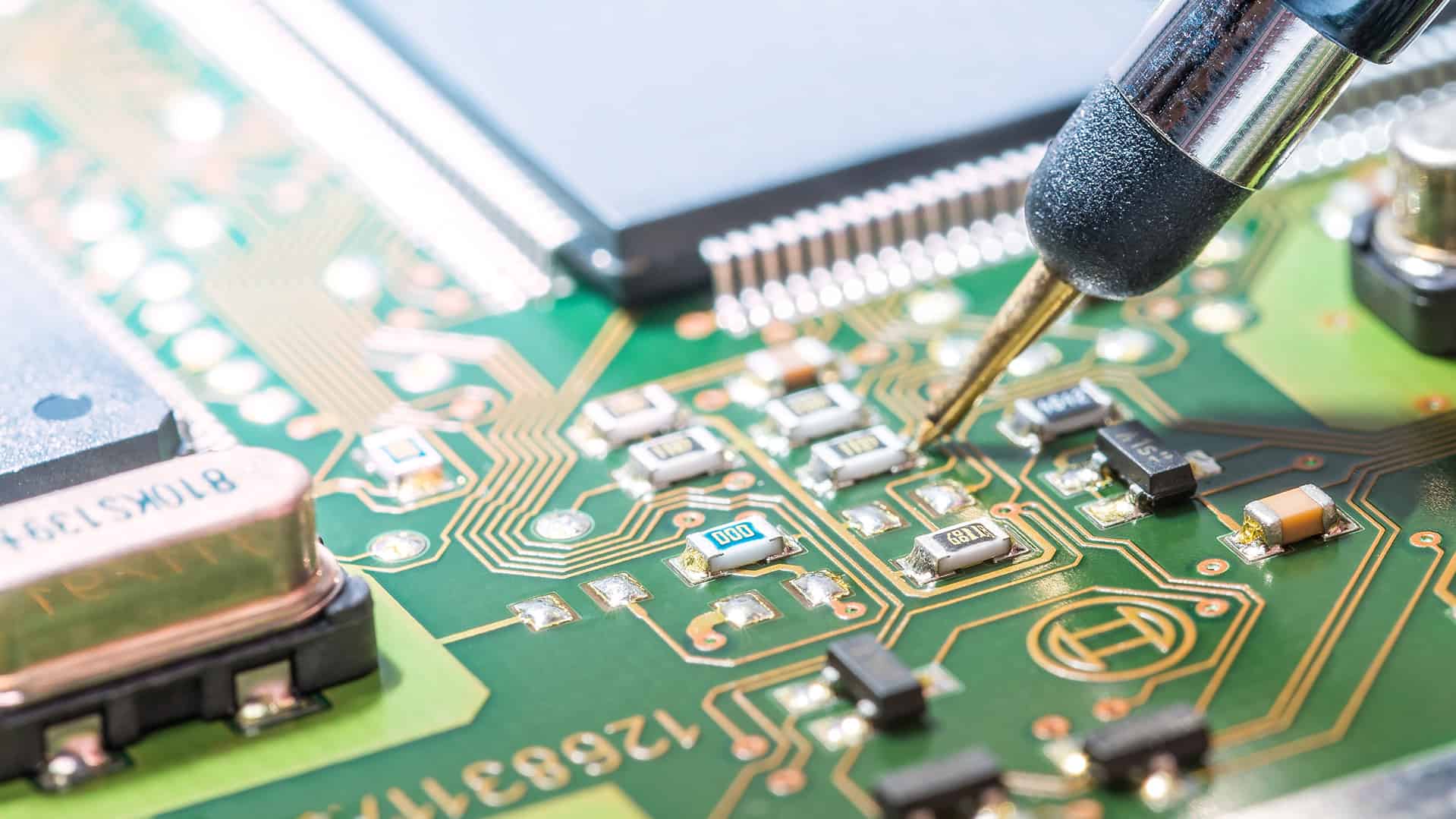
ECU Diagnostics: Confirming or Ruling Out an Engine ECU Fault, Test by Test
Every diagnostic check on a modern engine passes through the…
Rover Lucas 16CU Engine ECU Repairs
Type: Lucas Fits: Jaguar XJS / XJ12 / Rover Fuel: Petrol Note: This…
Understanding the Impact of a Faulty Crankshaft Sensor on Vehicle Performance
In this article, we will delve into the implications of…